
Adaptive reuse takes a building that has outlived its first purpose and gives it a new one. Instead of demolishing an aging warehouse, mill, bank, or storefront, we keep the structure and change the job it does. The approach saves material and time, and it usually delivers far more character than new construction can.
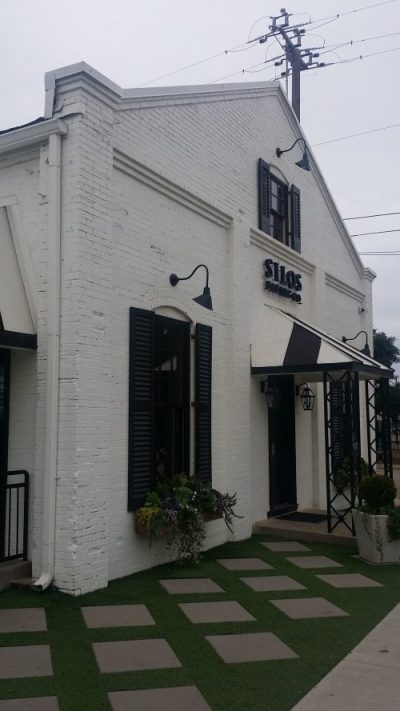
A Waco Road Trip That Made Adaptive Reuse Click
Recently we drove to Waco and met family at a restaurant. Over dinner, the conversation turned to the changes Chip and Joanna Gaines had brought to the area, so we decided to visit Magnolia Market. On the drive over we talked about their show, and the scale of the impact finally landed. One good idea, aimed at a real purpose, can reshape an entire district.
From Decaying Warehouse to Destination
They renovated a failing agricultural warehouse and the corroded silos next to it. On paper the program sounds modest: a shopping center, a garden, and a small bakery. In practice, the place reads as an expression of its community. Others saw an old warehouse backing an active rail line, yet the owners saw potential. Today visitors gather on the lawn and line up to photograph themselves with the silos behind them.
Why Adaptive Reuse Preserves More Than Walls
A project like this protects the historic significance of the site, and that matters commercially as well as culturally. An older shell keeps a neighborhood story legible, so visitors feel that the place has roots. Federal policy backs the idea too. The National Park Service administers historic preservation tax incentives for qualifying rehabilitations, which can change the math on a marginal deal.
The Environmental Case for Adaptive Reuse
Reusing an existing structure avoids the energy already embedded in its concrete, steel, and masonry. It also keeps demolition debris out of the landfill. Just as important, infill work reduces urban sprawl, because it puts people back into places that already have streets, water, and power. In short, the greenest building is often the one that is already standing.
Which Buildings Make Good Candidates
Almost any sound shell can find a second life. Warehouses become markets, banks become restaurants, and department stores become mixed-use blocks. Our hospitality architecture work leans on this constantly, and so does much of retail architecture today. Generous floor-to-floor heights, daylight, and a solid structural frame are the three traits we look for first.
How to Start an Adaptive Reuse Project
Begin with an existing-conditions survey and a frank structural assessment, because surprises get expensive later. Next, confirm zoning, occupancy classification, egress, and accessibility, since a change of use triggers new code requirements. Then plan the build-out; our tenant improvement team handles that phase every week. Ready to look at a building you already own? Explore our architecture and interior design services.